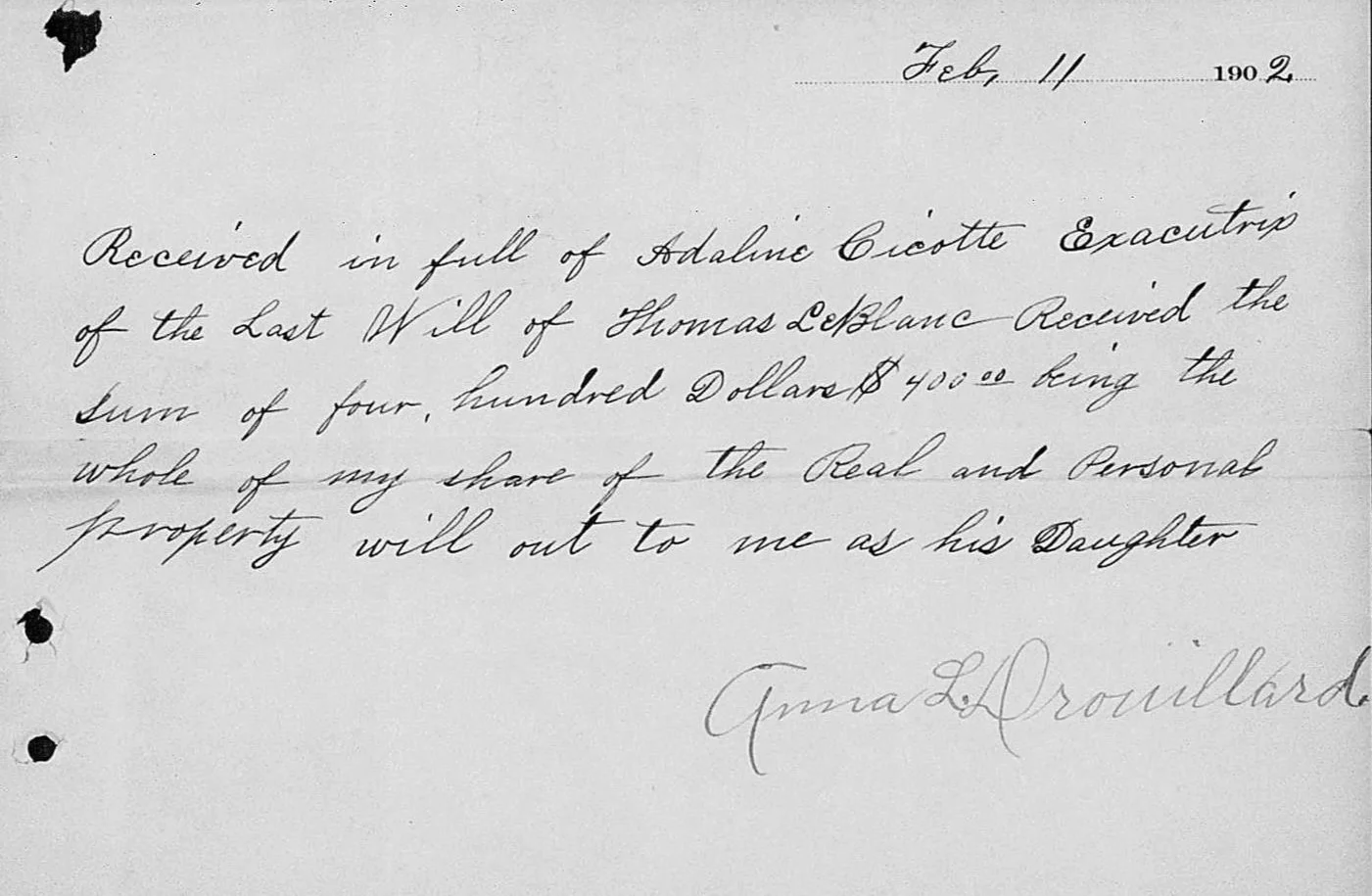
How Probate Records Reveal Your Ancestor's Story
Many intermediate and experienced genealogists rely on probate records, but for beginners, these court files can feel daunting. Created to settle a deceased person’s estate or establish guardianships, probate records are often surrounded by a common myth: that they only exist for the wealthy or that they are particularly complex to utilize. In reality, they span across socio-economic classes, eras, and regions, and they can be incredibly useful for genealogical research. If you’re ready to level up your research, understanding probate is the key to unlocking your family’s true story.
What I Wish I Knew Before Starting Genealogy: 7 Lessons From a Professional
Now that I’m a professional genealogist with hundreds of hours of educational courses and study under my belt along with triple that in research time, I look back at my early genealogy work as a hobbyist and cringe a little. Unfortunately, some of my errors are requiring untangling years later, when in an ideal world, most of my personal family research would be quite far along given the time I’ve spent on it. To help you learn from my mistakes, here are seven lessons I wish I knew before I took on genealogy as a hobby.
Prioritizing Evidence Over Expectation: Researching LGBTQ+ Ancestors
As family historians, our mission is to tell the full, true stories of the people who came before us. We gather birth certificates, trace migration routes across prairies and oceans, and map out the plots of land our ancestors called home. But when we look at our family trees, it’s easy to fall into the trap of assuming every branch follows a traditional, heteronormative path.
In celebration of Pride Month, let’s talk about a beautiful, deeply rewarding aspect of family history: researching LGBTQ+ ancestors. You might recall I recently covered this topic in an article for the Irish Genealogical Society International’s The Septs journal, but I wanted to make some of the most important tips for researching LGBTQ+ ancestors more accessible for free here.
When to Hire a Professional Genealogist
Many people begin genealogy on their own—and that’s a wonderful way to start (that’s what I did!). But it’s also common to reach a point where progress slows or questions become more complex. Also, not everyone enjoys getting deep into the research but you might still want to know more.