How Probate Records Reveal Your Ancestor's Story
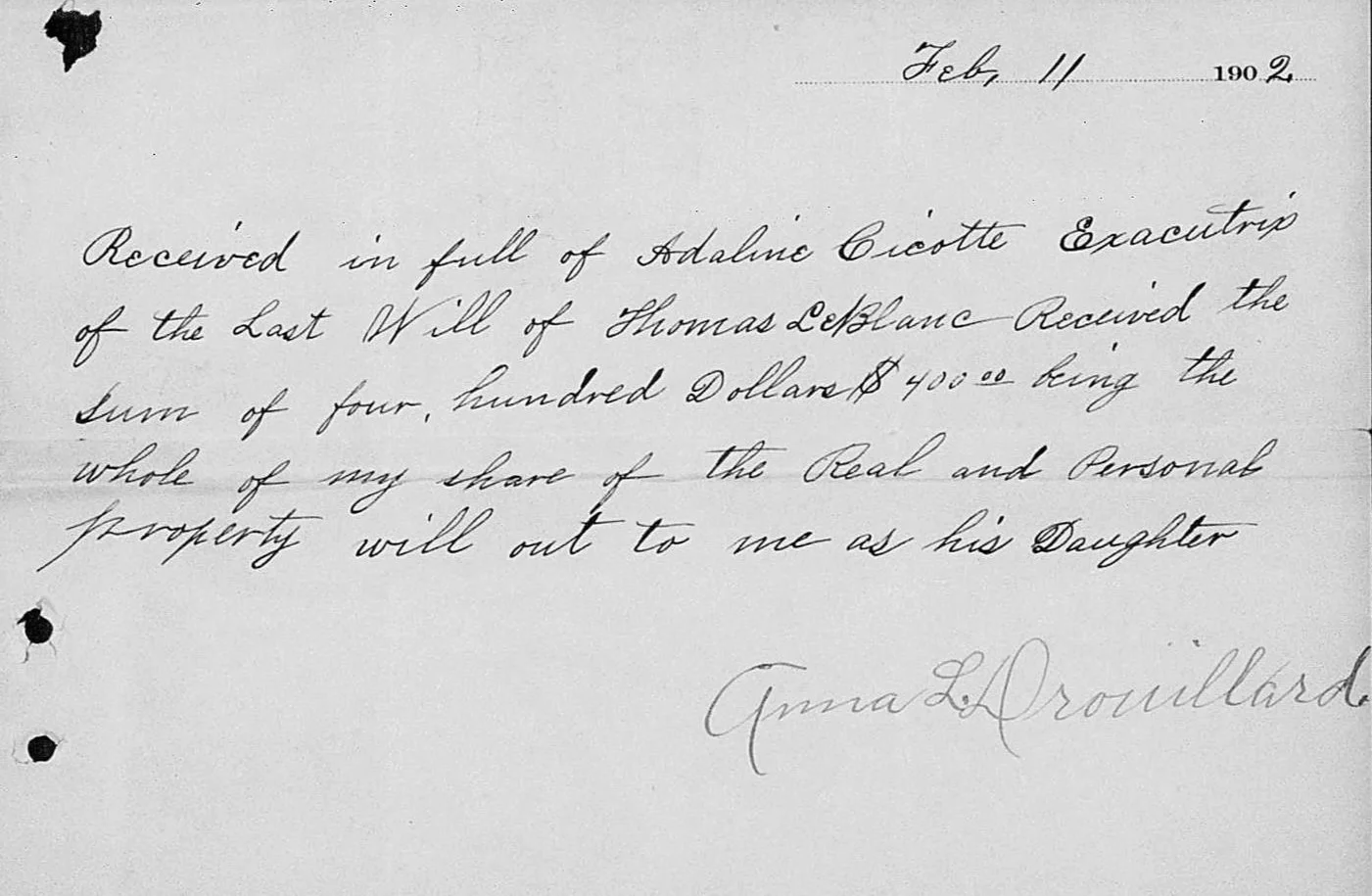
Many intermediate and experienced genealogists rely on probate records, but for beginners, these court files can feel daunting. Created to settle a deceased person’s estate or establish guardianships, probate records are often surrounded by a common myth: that they only exist for the wealthy or that they are particularly complex to utilize. In reality, they span across socio-economic classes, eras, and regions, and they can be incredibly useful for genealogical research. If you’re ready to level up your research, understanding probate is the key to unlocking your family’s true story.
What I Wish I Knew Before Starting Genealogy: 7 Lessons From a Professional
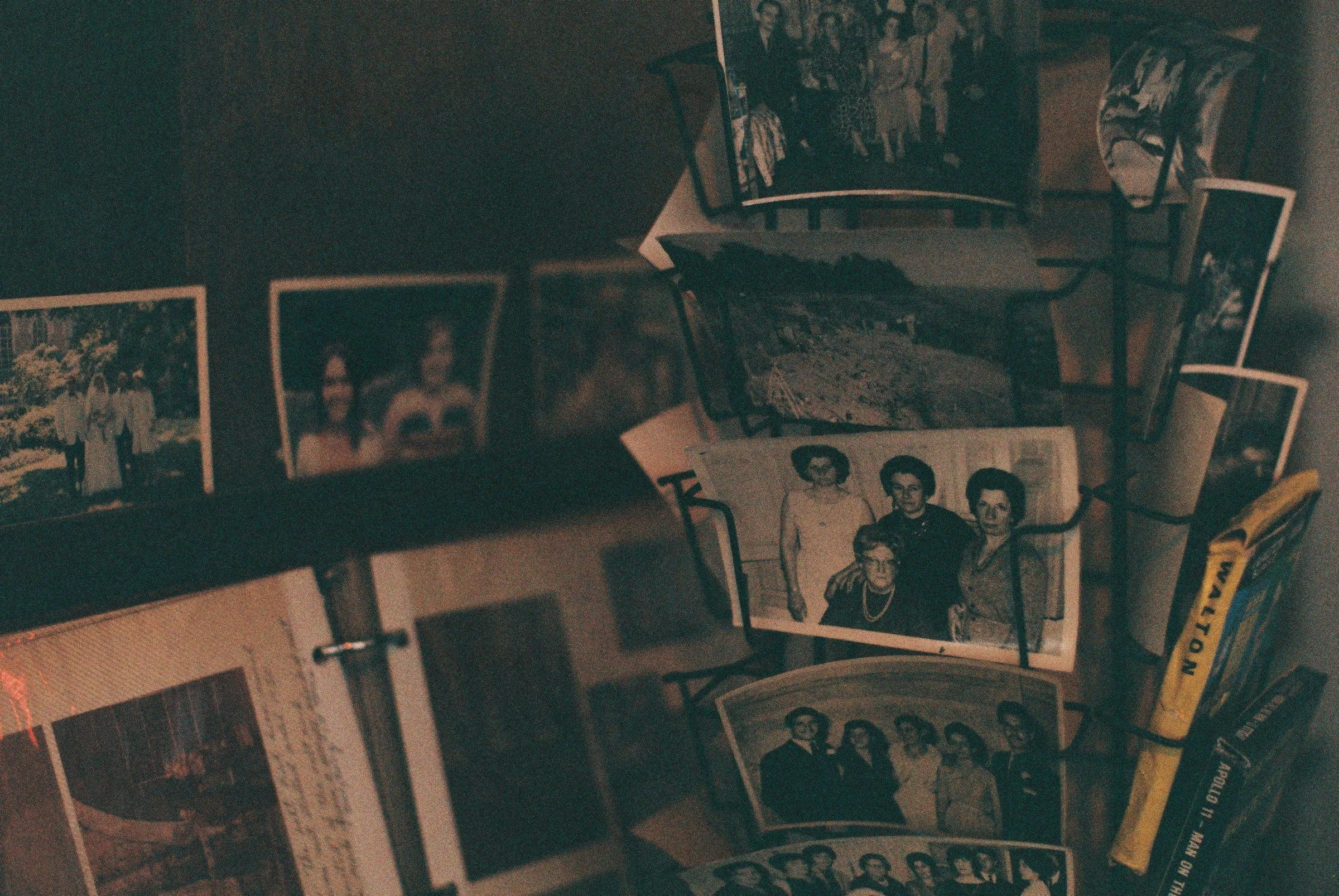
Now that I’m a professional genealogist with hundreds of hours of educational courses and study under my belt along with triple that in research time, I look back at my early genealogy work as a hobbyist and cringe a little. Unfortunately, some of my errors are requiring untangling years later, when in an ideal world, most of my personal family research would be quite far along given the time I’ve spent on it. To help you learn from my mistakes, here are seven lessons I wish I knew before I took on genealogy as a hobby.
Prioritizing Evidence Over Expectation: Researching LGBTQ+ Ancestors
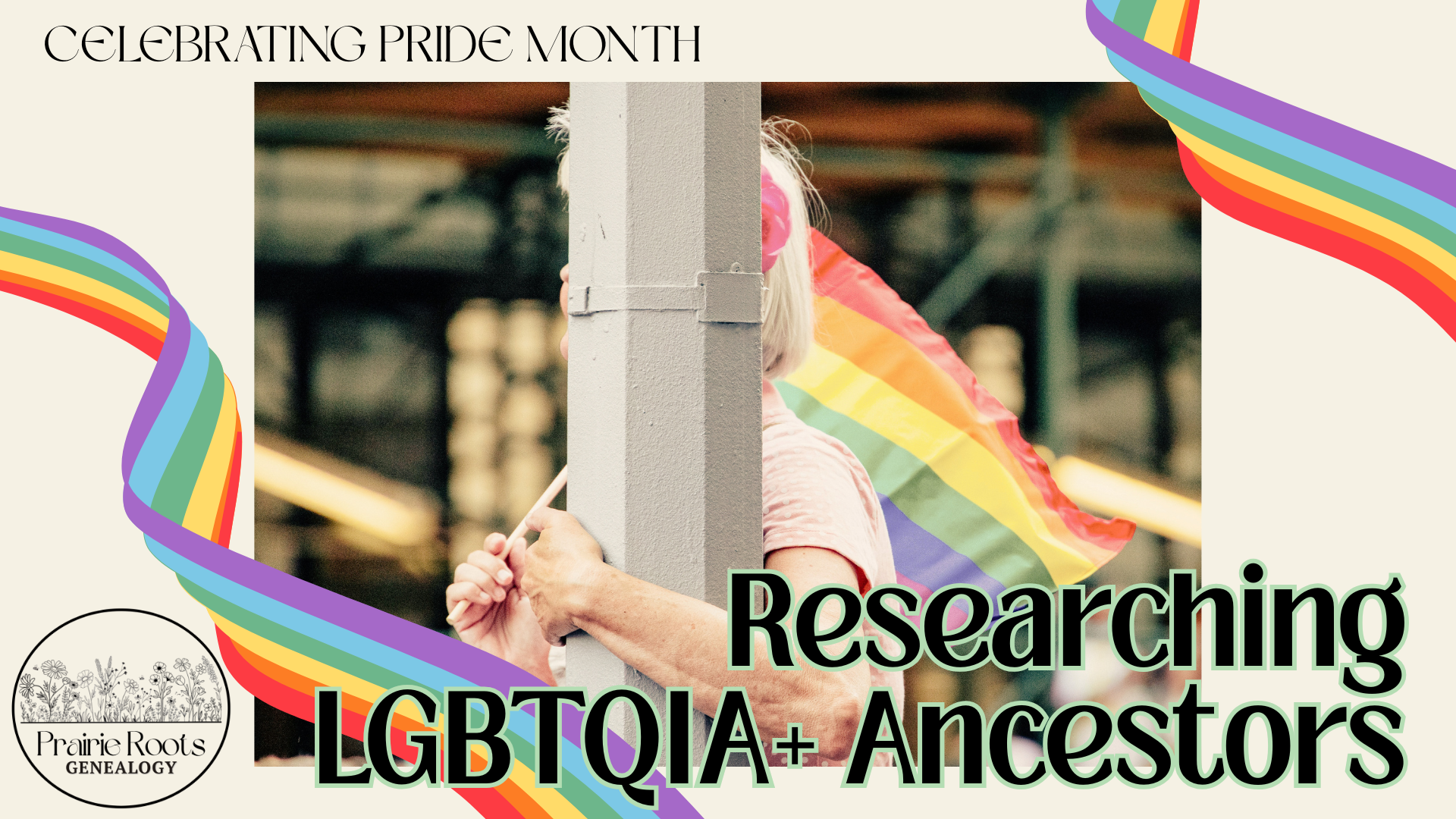
As family historians, our mission is to tell the full, true stories of the people who came before us. We gather birth certificates, trace migration routes across prairies and oceans, and map out the plots of land our ancestors called home. But when we look at our family trees, it’s easy to fall into the trap of assuming every branch follows a traditional, heteronormative path.
In celebration of Pride Month, let’s talk about a beautiful, deeply rewarding aspect of family history: researching LGBTQ+ ancestors. You might recall I recently covered this topic in an article for the Irish Genealogical Society International’s The Septs journal, but I wanted to make some of the most important tips for researching LGBTQ+ ancestors more accessible for free here.
Michiganders and Canadians: Presenting at Ontario Genealogical Society’s 2026 Conference
In exciting news, I’ve been invited to present at the Ontario Genealogical Society’s 2026 Virtual Conference, "From Steamships to Microchips," being held June 12–14, 2026.
My presentation, “Michiganders and Canadians: History, Connections, and Immigration,” explores a truth many of us in the Great Lakes region know well: the border has always been a porous thing, and our ties to Canada run deep.
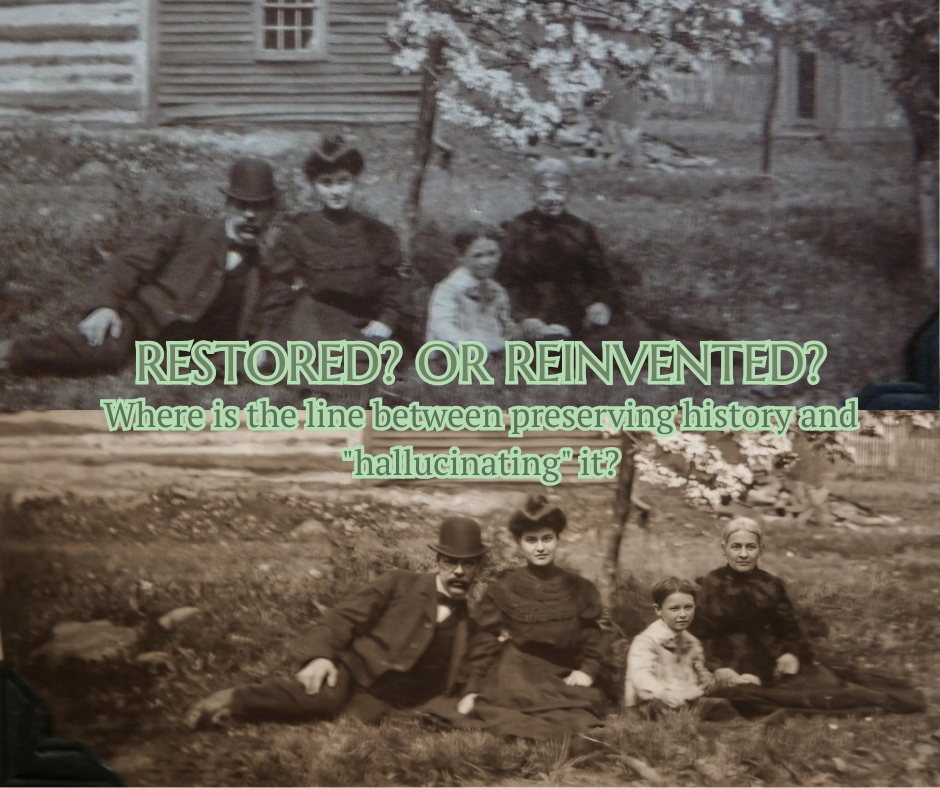
The Uncanny Valley: Why I’m Wary of AI Photo "Restoration"
I have a complicated relationship with Artificial Intelligence. Most people who know me have heard at least one rant about the dangers of using it indiscriminately. My cynicism isn't without cause; I worry about the staggering environmental impact of massive data centers and the "cognitive offloading" that happens when we stop doing the hard work ourselves—much like the documented cases of professionals whose skills atrophied after relying too heavily on automated tools.
And yet, I’m not a Luddite. I use Alexa in my home, and I’ve collaborated with AI like Gemini to help streamline locality guides or draft complex citations.
But there is one area where my skepticism hits a hard wall: the use of AI to "restore" our ancestors.
Using Census Records for Beginners: What They Reveal About Your Family
Census records are often the first major breakthrough for people starting their family history—and for good reason. They offer a snapshot of everyday life, placing your ancestors in a specific place at a specific moment in time.
What Records You Need to Start Your Genealogy (And Which Ones Can Wait)
One of the most common questions I hear is: What records do I actually need to begin working on my genealogy? The answer is simpler than many expect. You don’t need every record—just the right ones at the right time.
If you’re starting your family history, this guide will help you focus your efforts and avoid overwhelm.
Creating One Research Question to Guide Your Family History
When people feel overwhelmed by genealogy, it’s often because they’re trying to answer too many questions at once. I have definitely been guilty of this, especially when I was first getting started with genealogy. I refer to this sometimes as going galaxy brained, when I’m trying to think of too many different things at once. It’s not an effective research strategy!
Genealogy works best with one focused research question—just one part of my starter guide to genealogy.
Talking to Family Members About Their History
For many people, genealogy feels like it begins with records. In reality, it often begins with a conversation. I know when I was getting started, the first person I reached out to was my mom. Even though we had often talked about family stories so I knew she would have lots of details for me, I was surprised to learn she also had some documents about family history on both her side and my dad’s side. The information she provided was a big help when I was getting started.
Family members—especially older relatives—carry stories that never appear in official documents. These stories provide context, personality, and direction for your research, helping you understand not just who your ancestors were, but how they lived.